Coyotes… The More You Know

Well… let’s just keep the controversial train rolling, shall we?
We go from talking about cockfighting straight into another hot topic: coyotes.

Apparently, we’re not afraid to wade straight into the deep end.

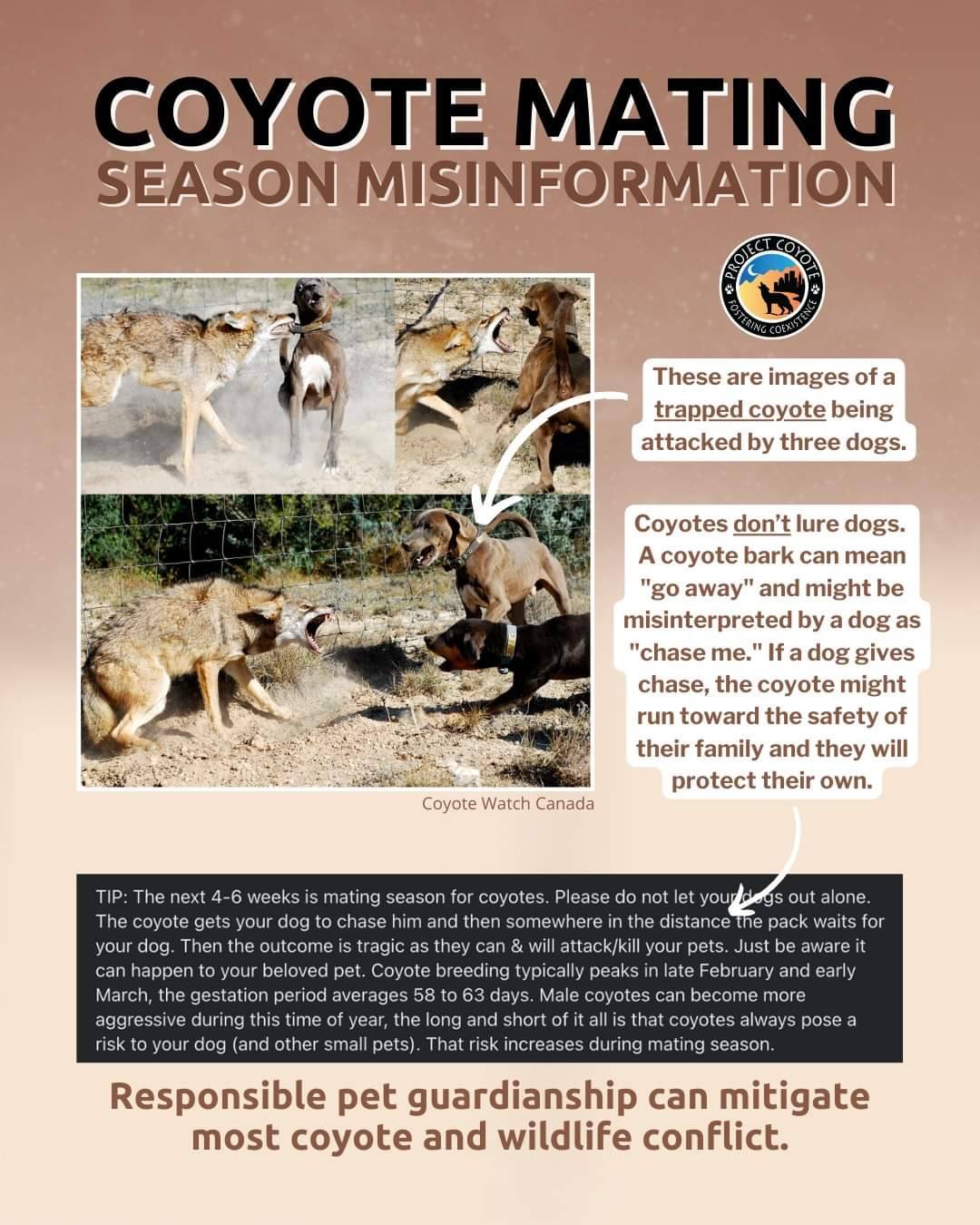
But the idea that killing coyotes protects calves, pets, livestock, or deer herds is one of the most stubborn myths still hanging around. And honestly, it’s wild that it’s still so widespread, because the science says the exact opposite.


Why Killing Coyotes Doesn’t Fix Anything

Coyotes are an essential part of the ecological balance. They help regulate prey species like rodents, rabbits, and other small mammals. Without predators like coyotes, these populations explode—damaging crops, stressing ecosystems, and creating bigger problems for everyone.

As for deer, in most areas of the country they are already overpopulated. Habitat damage, crop loss, vehicle collisions, and increased disease risk—including chronic wasting disease (CWD), Lyme disease, and other tick-borne illnesses—are far bigger threats to deer populations than predators ever will be. Cars kill more deer in a month than coyotes do in an entire year.


Why Killing Coyotes Actually Increases Their Population

This part surprises most people: removing coyotes doesn’t reduce their numbers—it triggers a reproductive boom.

When coyotes are killed:

  • Litter sizes increase (jumping from 2–3 pups to 6–10 or more)
  • More pups survive because there is less competition
  • Coyotes evolved under constant population pressure, so their biology adapts to compensate for losses

That’s why eradication has failed everywhere it has ever been tried.


So What Does Work? Practical, Effective Coexistence Strategies

Living alongside coyotes is not only possible—it’s usually simple with the right precautions. These strategies protect livestock, pets, and property far more effectively than lethal control.

For Livestock

  • Bring cows closer to the barn during calving so vulnerable newborns aren’t isolated
  • Use livestock guardian animals such as Great Pyrenees, Anatolian Shepherds, Kangals, or guardian donkeys
  • Install coyote rollers on top of fences to prevent climbing or jumping
  • Use secure night enclosures for goats, sheep, and poultry
  • Clean up attractants like afterbirth, carcasses, spilled feed, or open compost piles
  • Rotate pastures strategically, keeping vulnerable animals in more secure areas during high-risk periods

For Pets

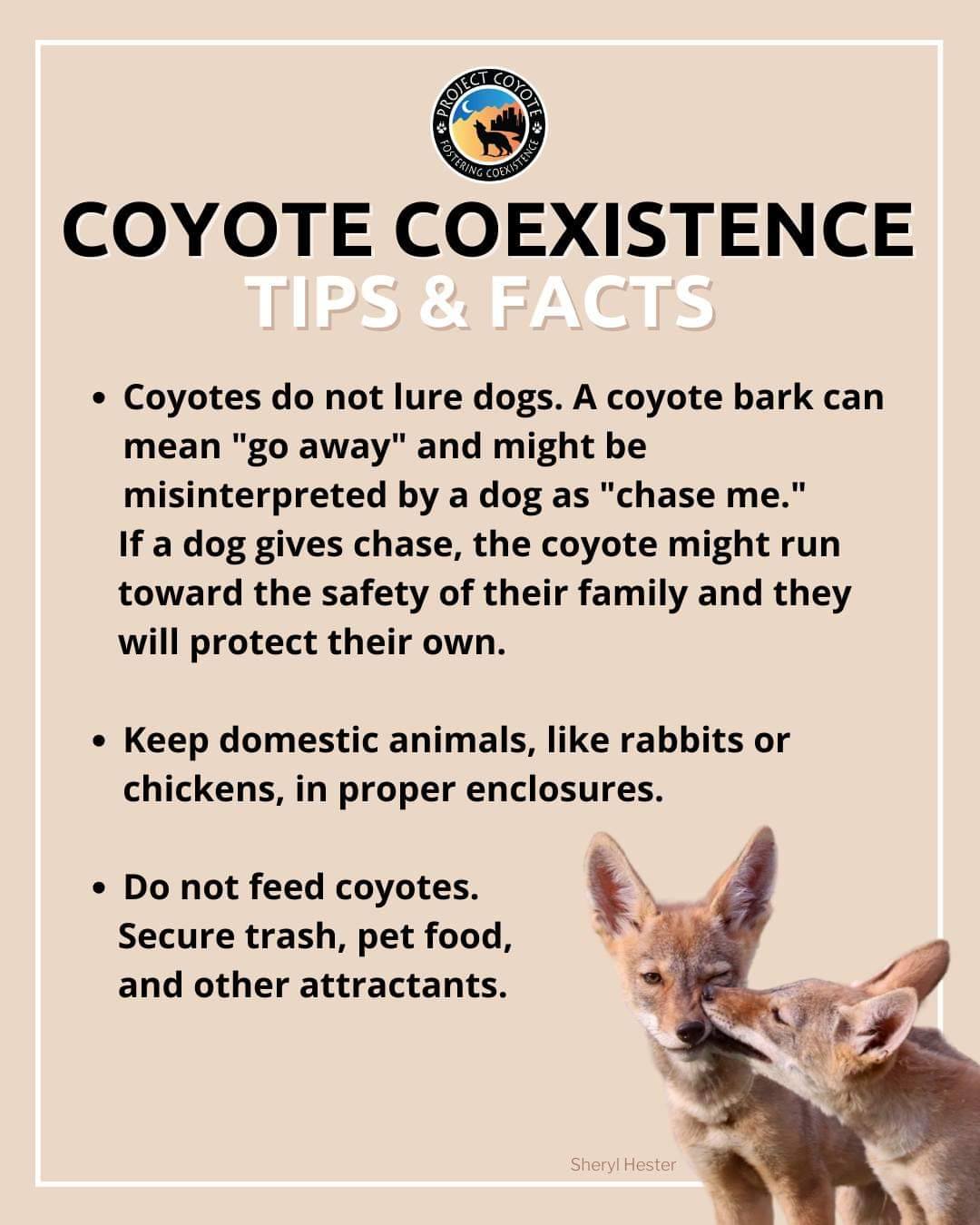
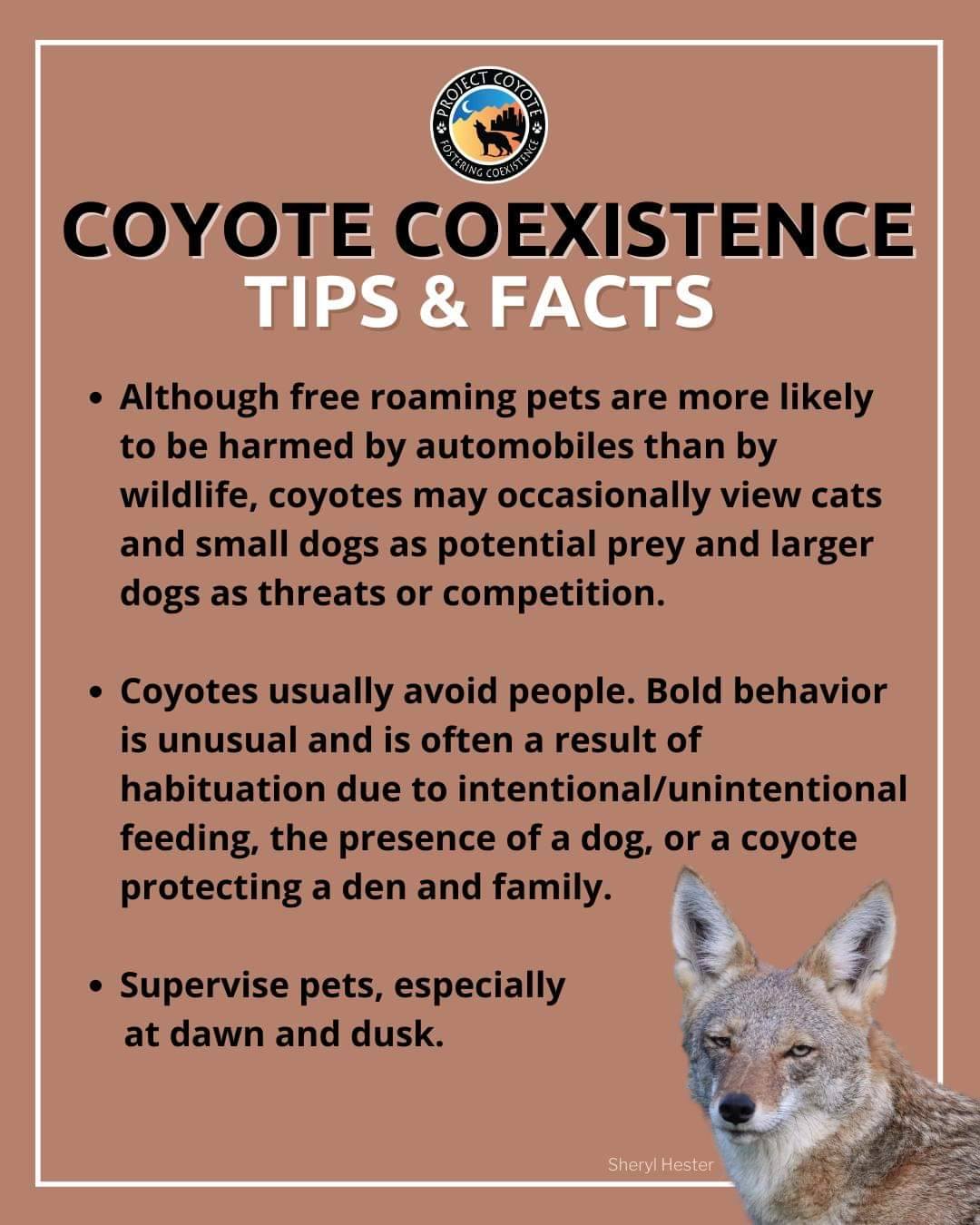
  • Supervise dogs outdoors, especially at dawn and dusk
  • Keep cats indoors
  • Keep pet food indoors, including leftover bowls
  • Use motion-activated spotlights or sprinklers
  • Secure fencing—even a 5–6 foot fence with rollers drastically reduces encounters

For Property & Neighborhoods

  • Remove brush piles where rodents thrive (rodents attract coyotes)
  • Use wildlife-proof trash bins and avoid leaving garbage accessible
  • Encourage neighbors to follow the same precautions

The Big Picture

Coyotes aren’t the enemy; they’re part of the natural system that keeps everything running smoothly. Trying to eliminate them just fuels bigger litters, more movement, and more conflicts.

Coexistence isn’t just possible—it’s proven, practical, and far more effective. Help predators do what they’re designed to do, protect your animals with smart strategies, and watch the ecosystem stay healthier, calmer, and far more balanced.

For more information on coyotes and how to coexist, please visit Project Coyote:
https://projectcoyote.org/



Baby Turtle Season

It’s baby season for all kinds of animals and turtles are out trying to lay their eggs. We get at least 5 calls per day about turtles right now. If you do see one in the road, please stop and move it out of the road in the direction it is going.

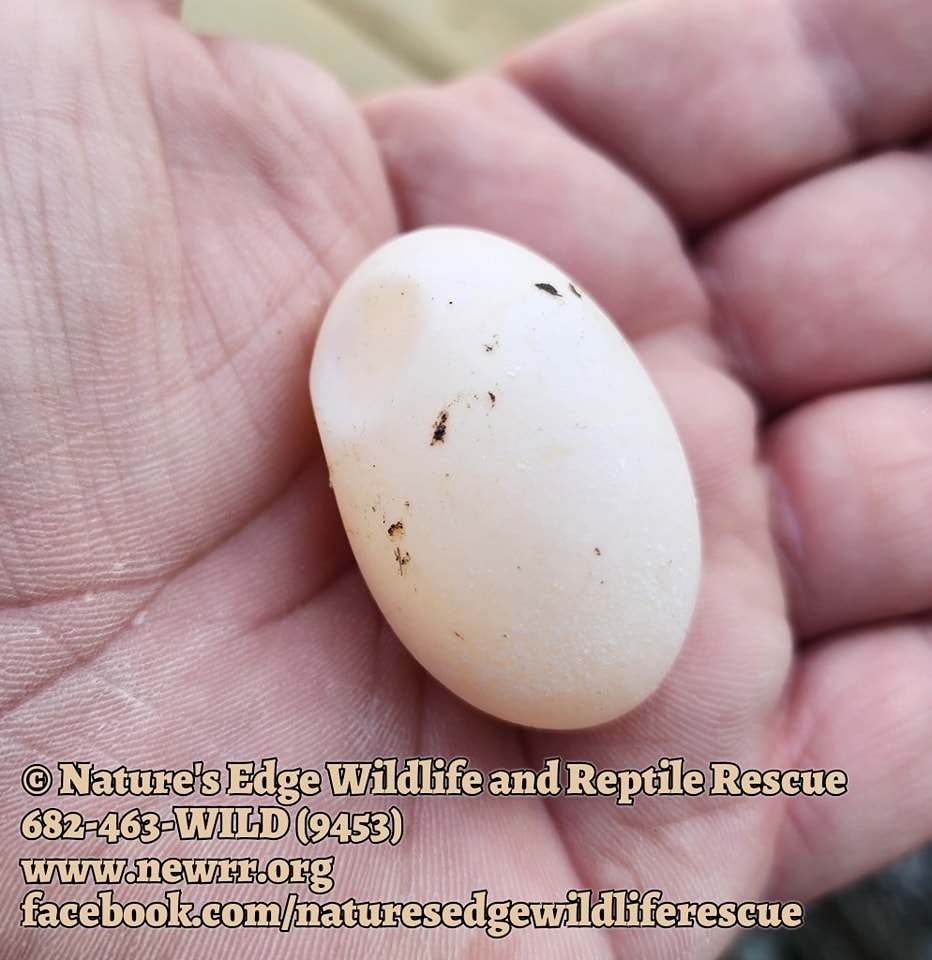
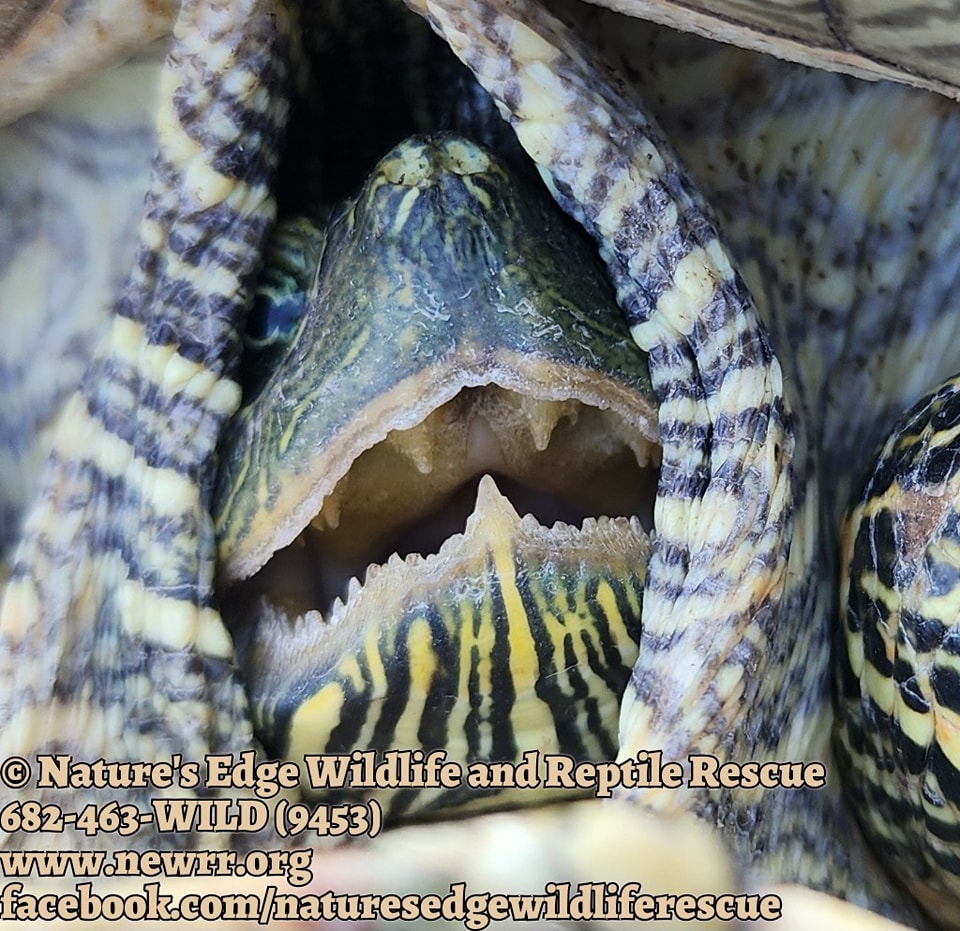
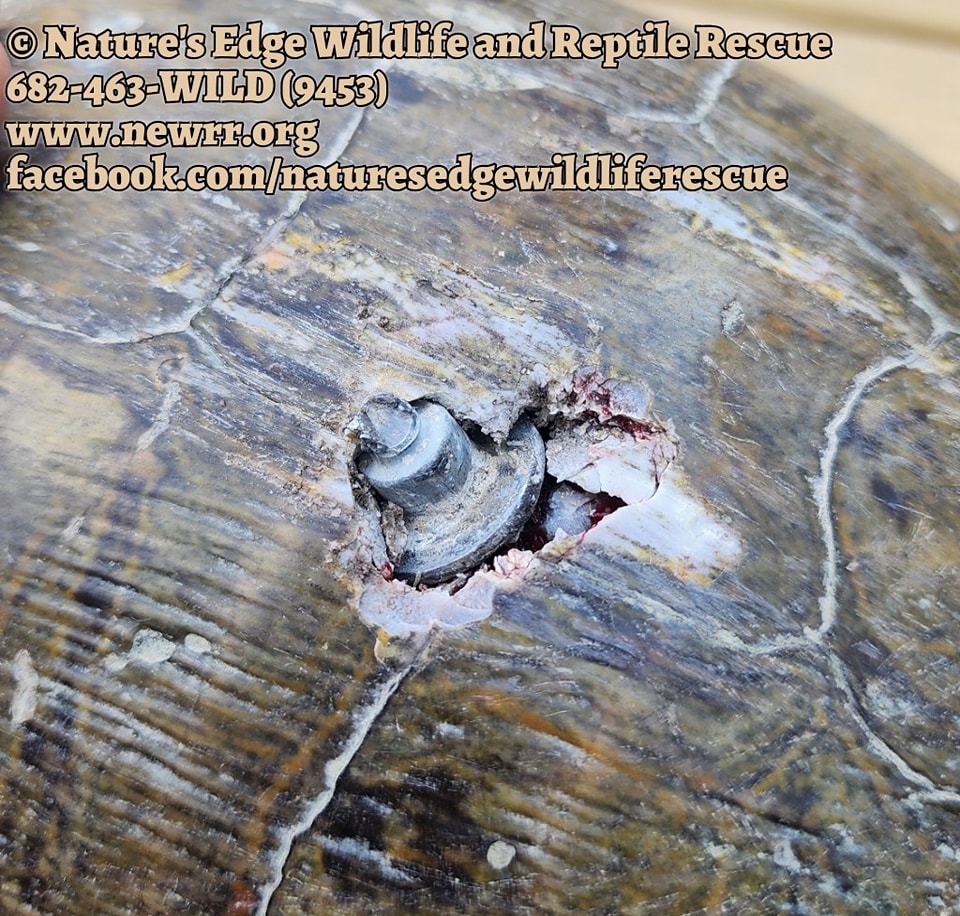
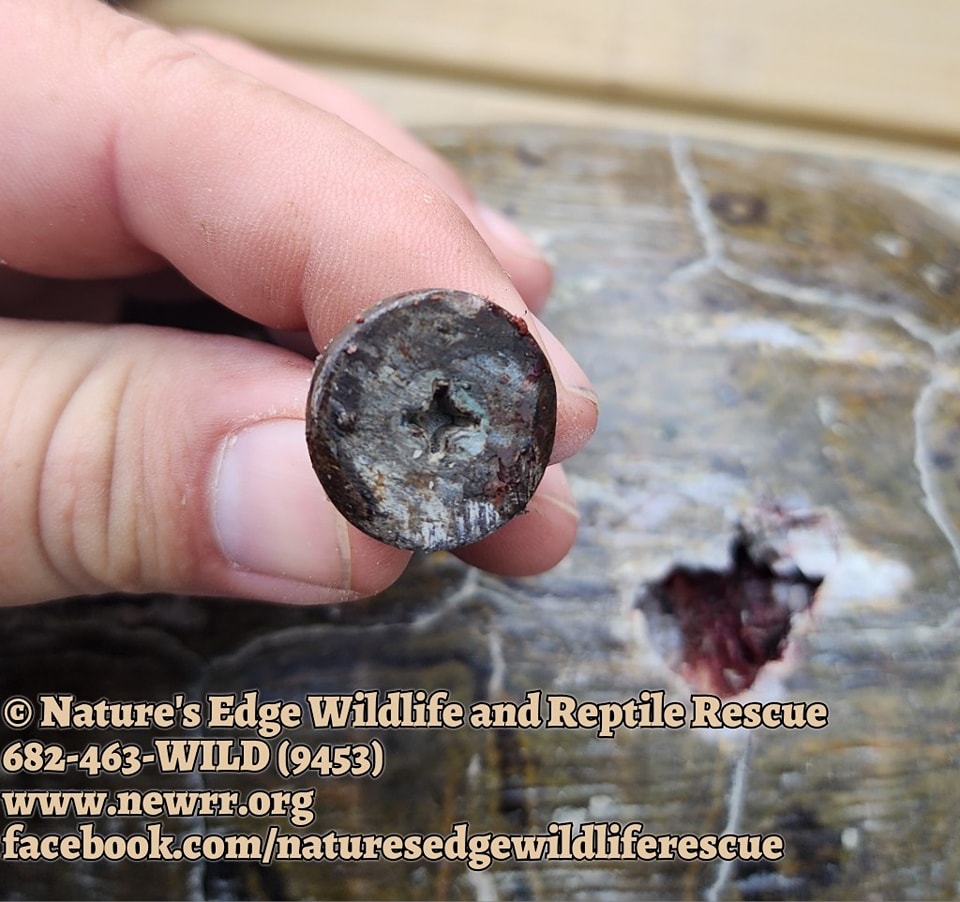
Do NOT try and straddle it in hopes of missing it. Some are taller than you realize. Luckily for this girl, the finders found her after this happened. That is a bumper/body bolt from the underside of a car! On their way to us, this river cooter dropped an egg! So for now, we have her in a tub of dirt hoping she will lay the rest and not become egg-bound. Eggs will be incubated and babies released to the wild.

Oh and that hole, it’s not fixable. We have to keep it clean and hope it granulates over enough to protect the delicate tissue underneath.

Brandi and Mario

Thank you, as always, to our generous donors. We could not accomplish what we do without your support. If you’re interested in contributing to Nature’s Edge, here are some ways you can help:

Linktree https://linktr.ee/NEWRR


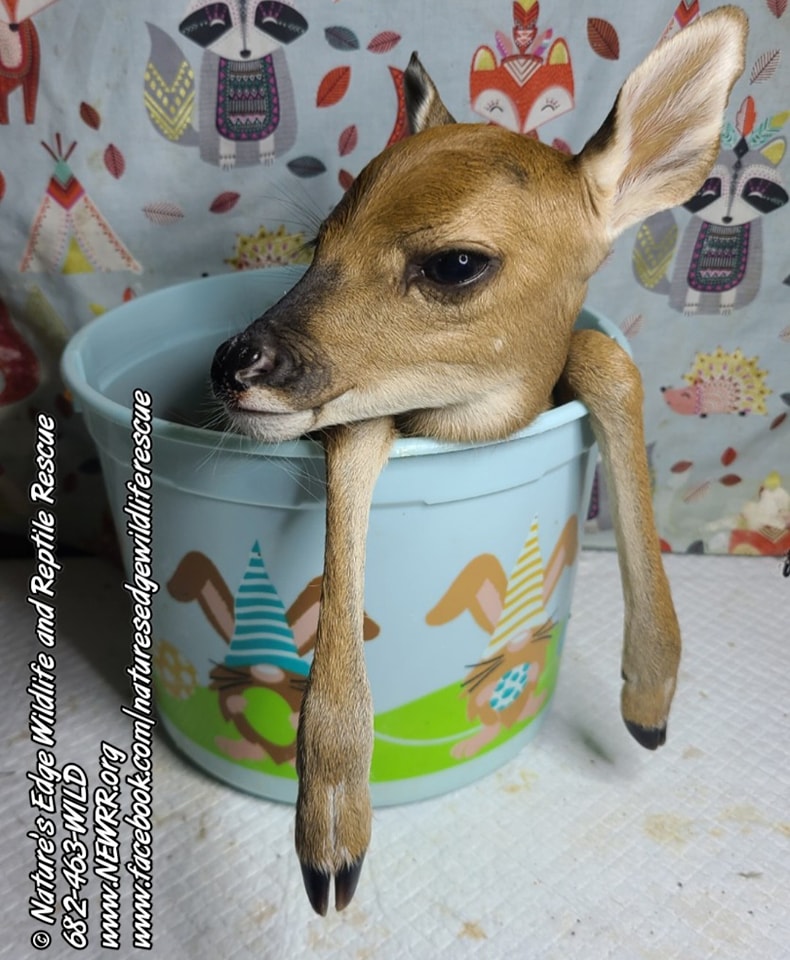
It’s Fawn Season, Y’all!

It’s Fawn Season, Y’all!

Which means… it’s also “Bottomless Belly Season.”

We’re currently on fawn #5 (with #6 expected to arrive fashionably late today), and they are hungry. Like, “milk bar open 24/7” hungry.

Raising fawns is no small feat. They’re adorable, yes—but they’re also high-maintenance milk machines. And while powdered milk replacer technically works, nothing beats the nutritional goldmine that is fresh, raw goat’s milk.
Why goat’s milk?

Goat’s milk is a superstar for deer—it’s the closest match to what their wild moms would provide. On the flip side, goat milk replacers often lead to digestive issues (cue sad baby deer and cleanup duty… lots of cleanup duty).
Here’s where you come in.

We’re on the hunt (pun intended) for raw, unpasteurized, filtered goat’s milk. It can be frozen—we freeze it ourselves and thaw as needed. But pasteurized milk or milk replacer just doesn’t cut it for our delicate little ones.

To be completely honest:
We go through a LOT of milk. We’re not talking one or two gallons here and there. We need multiple gallons per day, sometimes more. So if you’re a local farm (or know one!) with milk to spare, we’d love to chat.

Remember:

Nature’s Edge Wildlife Rescue is a 501(c)(3) nonprofit, so all donations are tax-deductible, and your kindness directly helps us save lives.

With gratitude (and sleep deprivation),
Brandi & Mario

Nature’s Edge Wildlife Rescue

P.S. Thank you to our incredible donors—you are the heartbeat of what we do. Want to help? Here’s how:

https://linktr.ee/NEWRR

Fredericka Fox

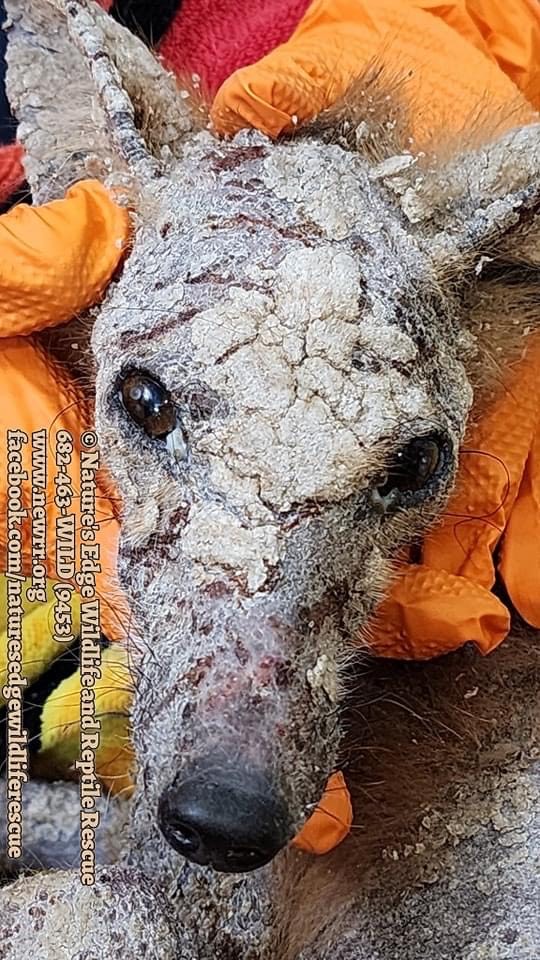
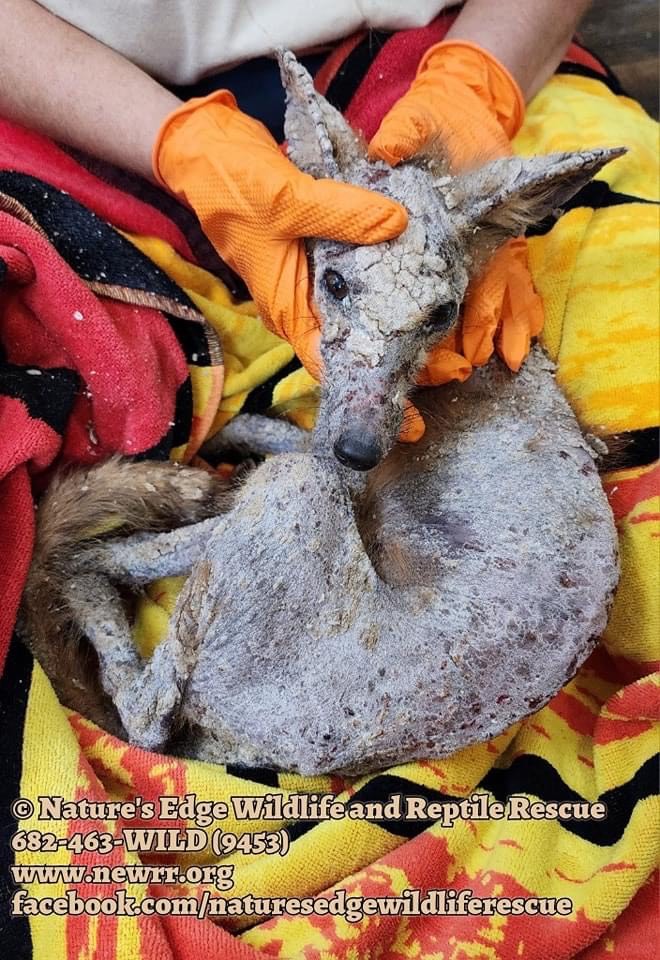
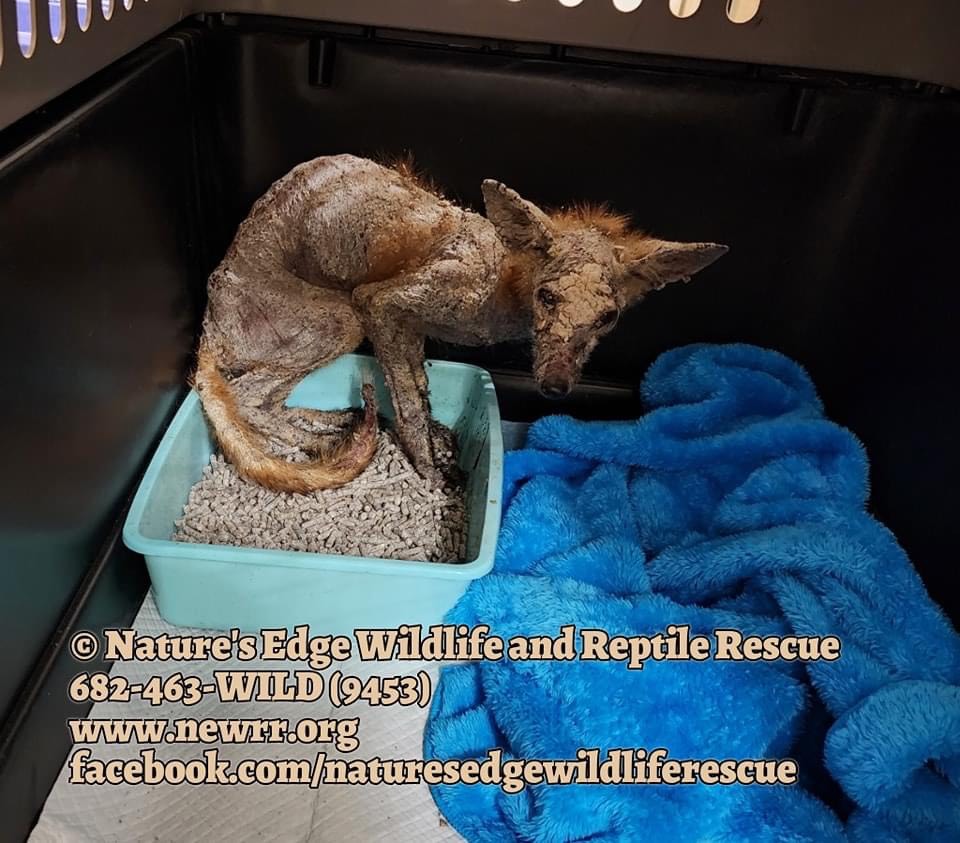
At Nature’s Edge Wildlife and Reptile Rescue, it’s not always about happy endings. This morning at 6 a.m., we welcomed a new patient—a young red fox rescued from Willis, Texas. She’d been spotted in a neighborhood for about a month, and a kind gentleman brought her to us after trapping her.

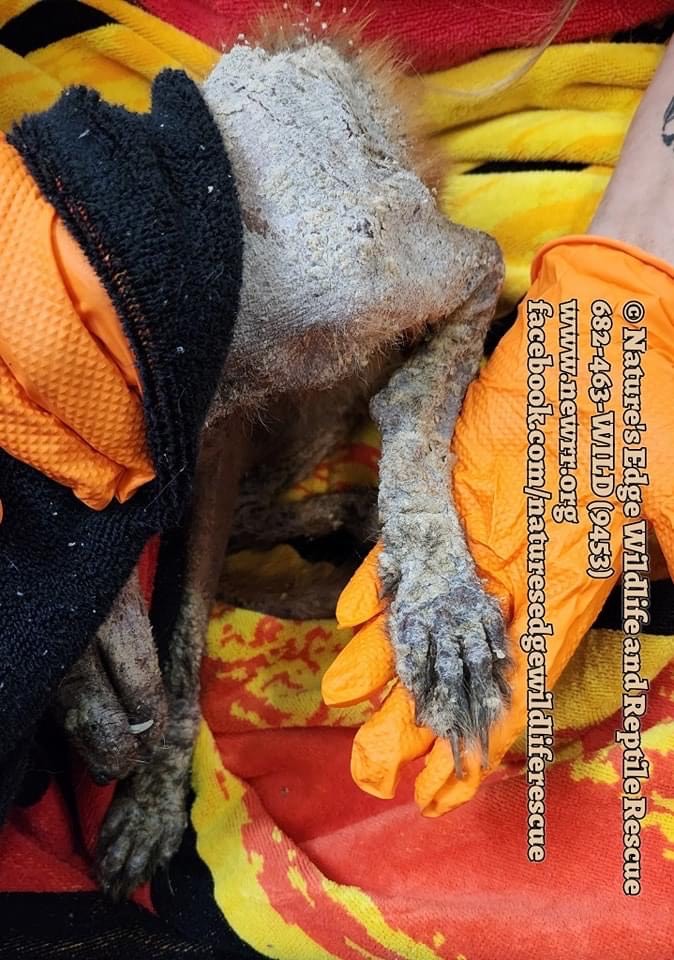
This little fox, estimated to be born late last year or early this year based on her teeth, is in a heartbreaking condition. She’s suffering from a severe case of sarcoptic mange, covering about 90% of her body, with open sores on her back and tail. She’s also extremely thin and dehydrated.

Cases like hers are often the result of a weakened immune system, likely caused by ingesting poisoned rodents. Even products labeled ‘dog and wildlife safe’ can build up in their systems over time, leading to devastating consequences.

She was affectionately named Fredericka by the gentleman who brought her and has been started on pain management, antibiotics, and treatment for the mange. She’s on a carefully controlled feeding schedule to avoid overwhelming her fragile digestive system. Though her condition is still guarded, we’re committed to doing everything possible to help her recover.

Fredericka has a long journey ahead, but with care, we’re hopeful for her recovery. As always, thank you, thank you, THANK YOU to those who donate throughout the year. We can not do what we do without the support of others.

Ways you can help support Nature’s Edge: Linktree https://linktr.ee/NEWRR


Coyote Pups

One question we get a lot with predators is how can we bottle feed them and still be able to release them. Well, this is how. We ensure that they get as little hands on attention as possible, and once eating on their own and moved outside, they only see us for feedings and quick check ups.
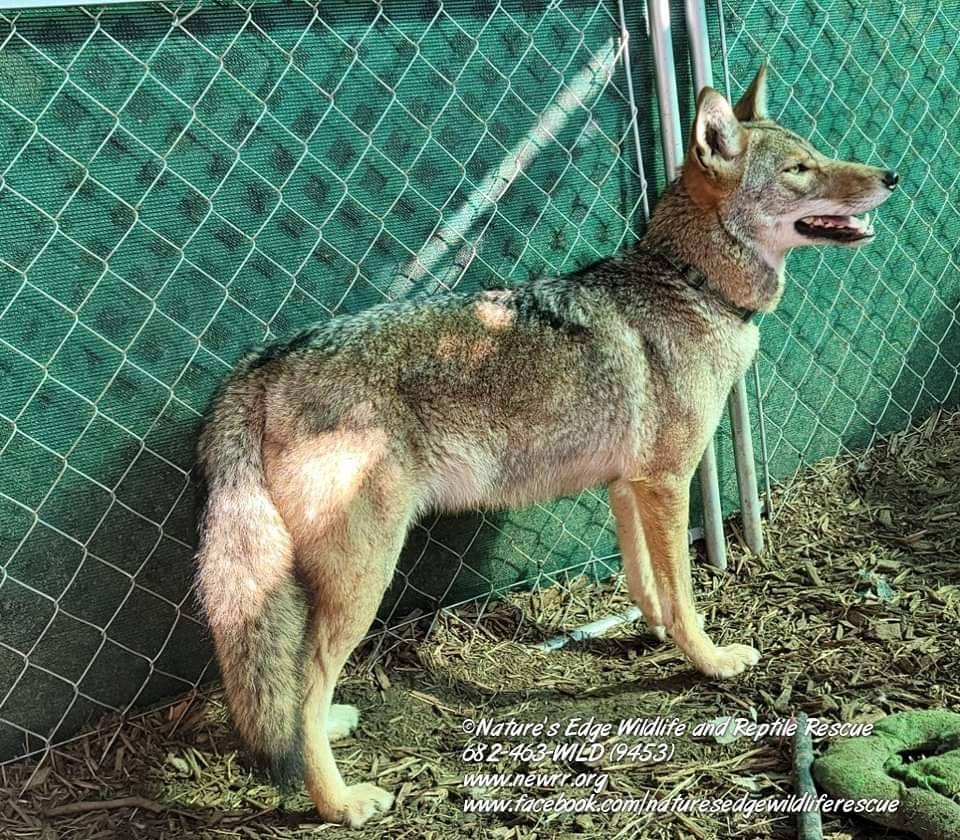
Remember the 3 day old coyote pups brought to us in April? This is them now. 9 weeks old and have been outside 1 week or so. They already hate us. I was checking everybody during nightly feeding to ensure they were all okay. Now it’s just waiting until they are big enough to survive on their own.

Brandi and Mario

As always, thank you to those who donate. We can not do what we do without the support of others. Ways you can help support Nature’s Edge:

Linktree https://linktr.ee/NEWRR


Meet our newest resident

The things that come into the rescue…

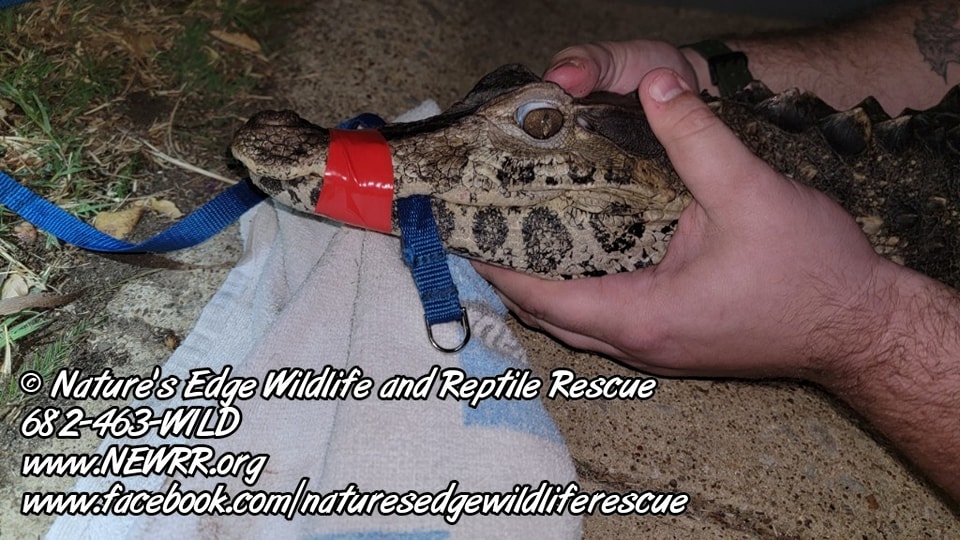
Took in this big male smooth-fronted caiman (Paleosuchus trigonatus). It is a crocodilian from South America, where it is native to the Amazon and Orinoco Basins. It is the second-smallest species of the family Alligatoridae, the smallest being Cuvier’s dwarf caiman, also from tropical South America and in the same genus. An adult typically grows to around 4 to 5 ft in length and weighs between 20 and 45 pounds. This boy is very obese!

He was taken from somebody on Craigslist by somebody who quickly realized he was beyond their ability.

We did a health exam upon intake to see what was going on with it and to check sex.

He will be going into one of our escape proof 10×20 pens with a large pond to soak in.

Brandi and Mario