Nature's Edge Wildlife and Reptile Rescue
Well… let’s just keep the controversial train rolling, shall we?
We go from talking about cockfighting straight into another hot topic: coyotes.
Apparently, we’re not afraid to wade straight into the deep end.
But the idea that killing coyotes protects calves, pets, livestock, or deer herds is one of the most stubborn myths still hanging around. And honestly, it’s wild that it’s still so widespread, because the science says the exact opposite.
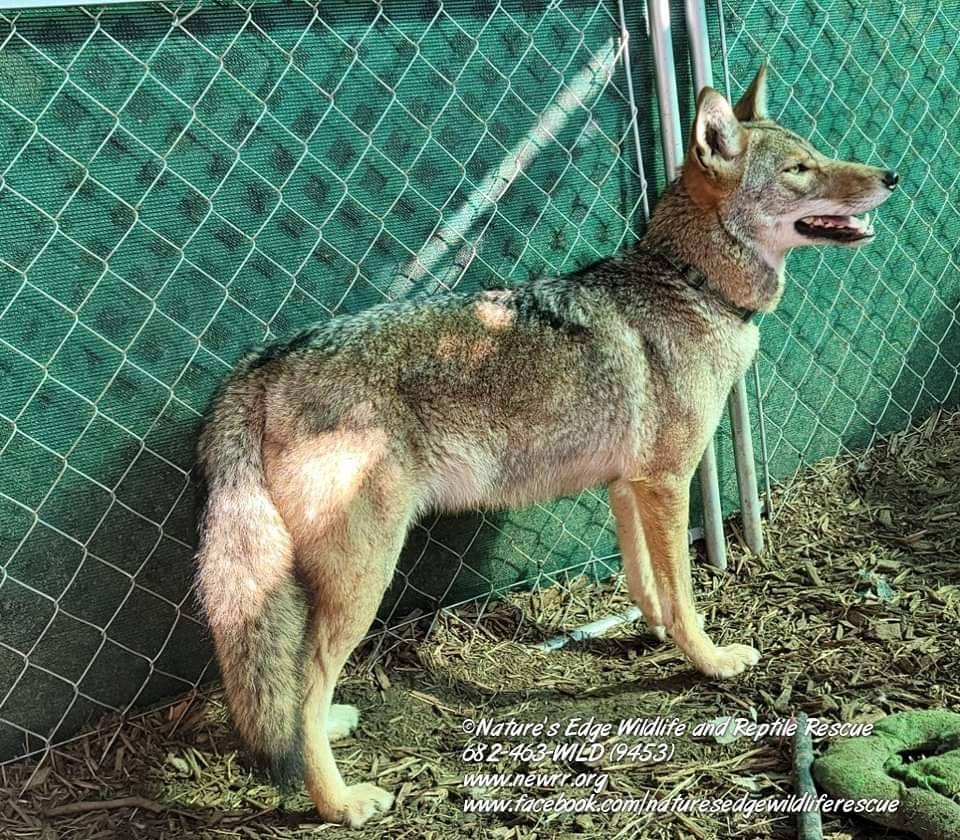
Coyotes are an essential part of the ecological balance. They help regulate prey species like rodents, rabbits, and other small mammals. Without predators like coyotes, these populations explode—damaging crops, stressing ecosystems, and creating bigger problems for everyone.
As for deer, in most areas of the country they are already overpopulated. Habitat damage, crop loss, vehicle collisions, and increased disease risk—including chronic wasting disease (CWD), Lyme disease, and other tick-borne illnesses—are far bigger threats to deer populations than predators ever will be. Cars kill more deer in a month than coyotes do in an entire year.
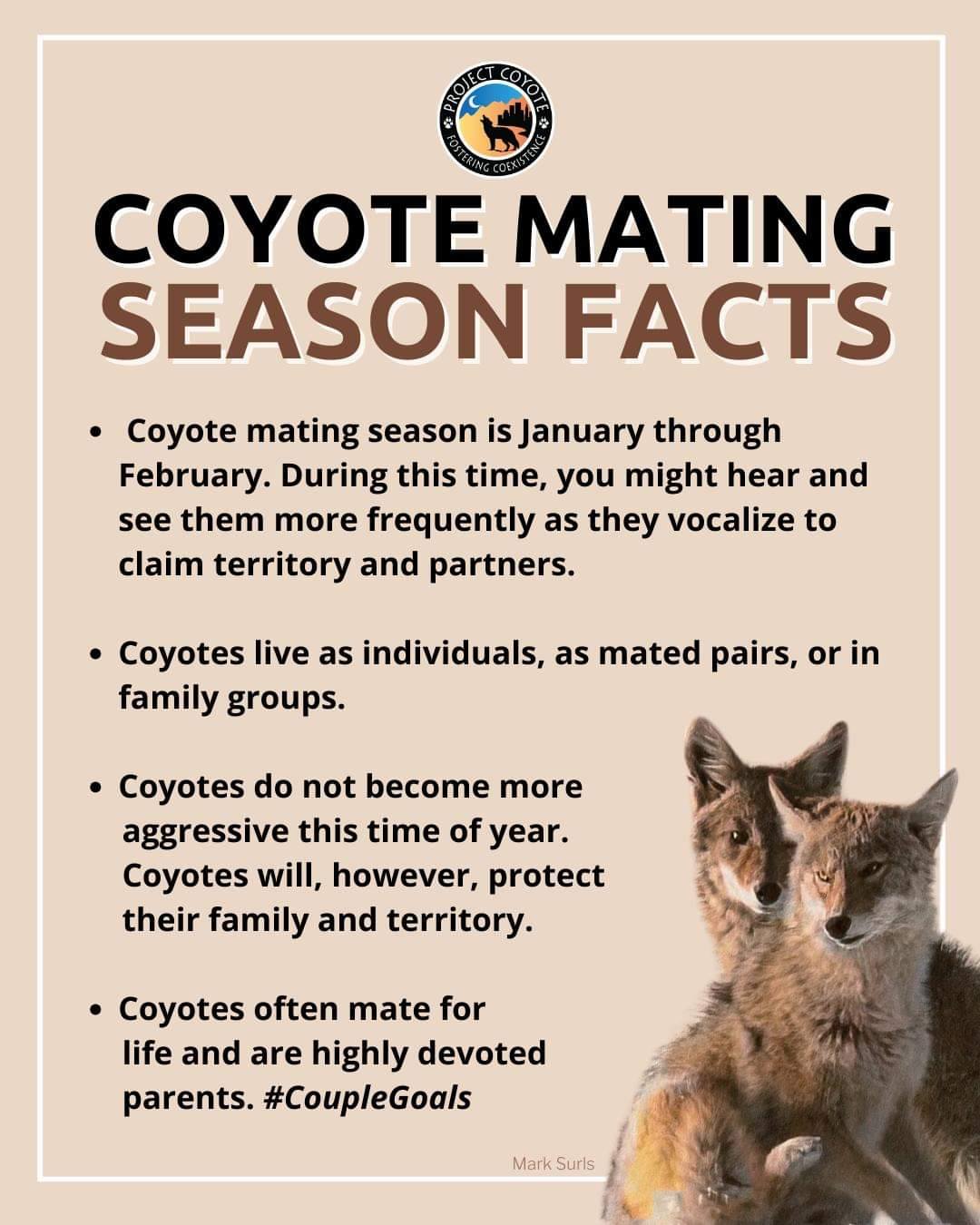
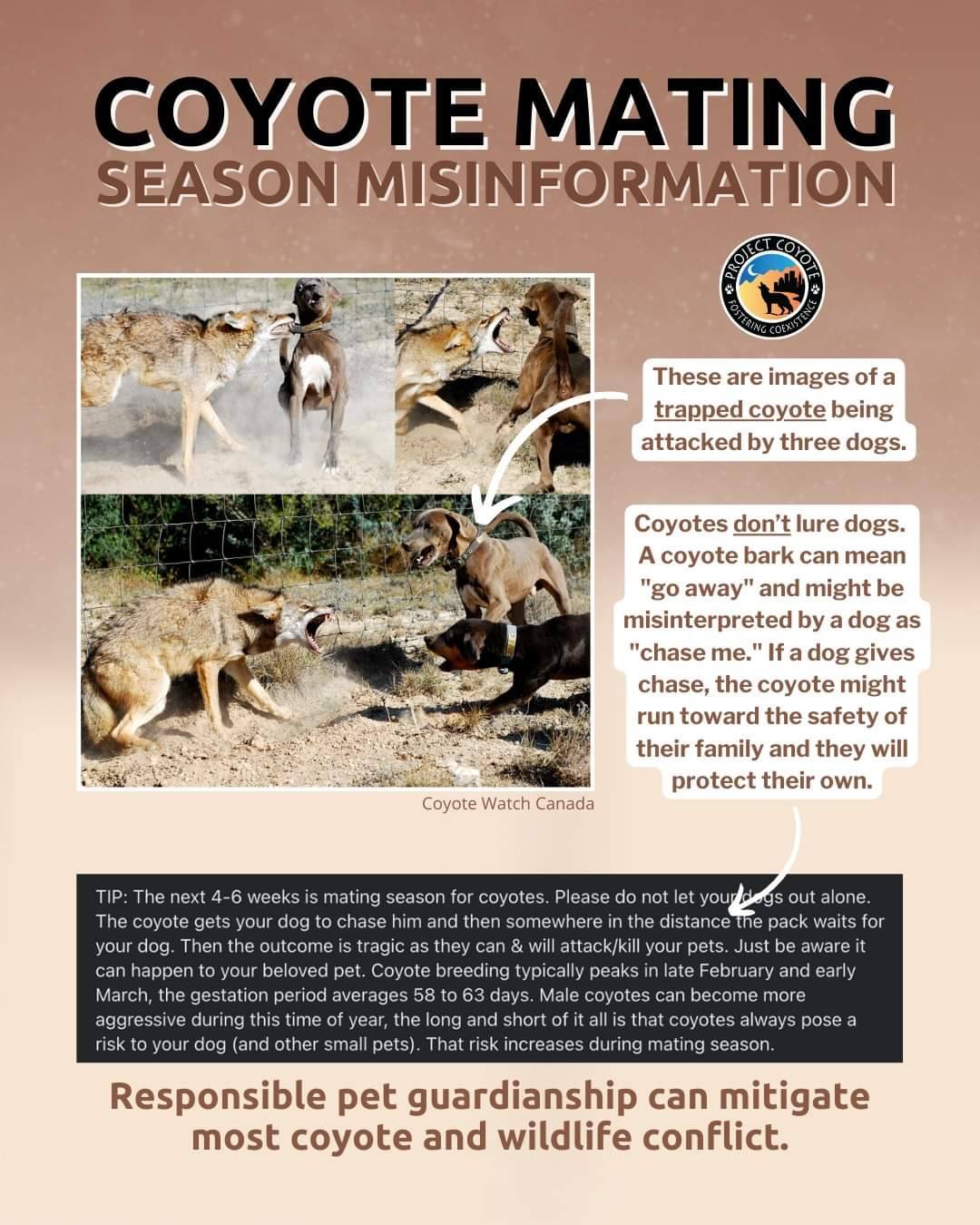
This part surprises most people: removing coyotes doesn’t reduce their numbers—it triggers a reproductive boom.
When coyotes are killed:
That’s why eradication has failed everywhere it has ever been tried.
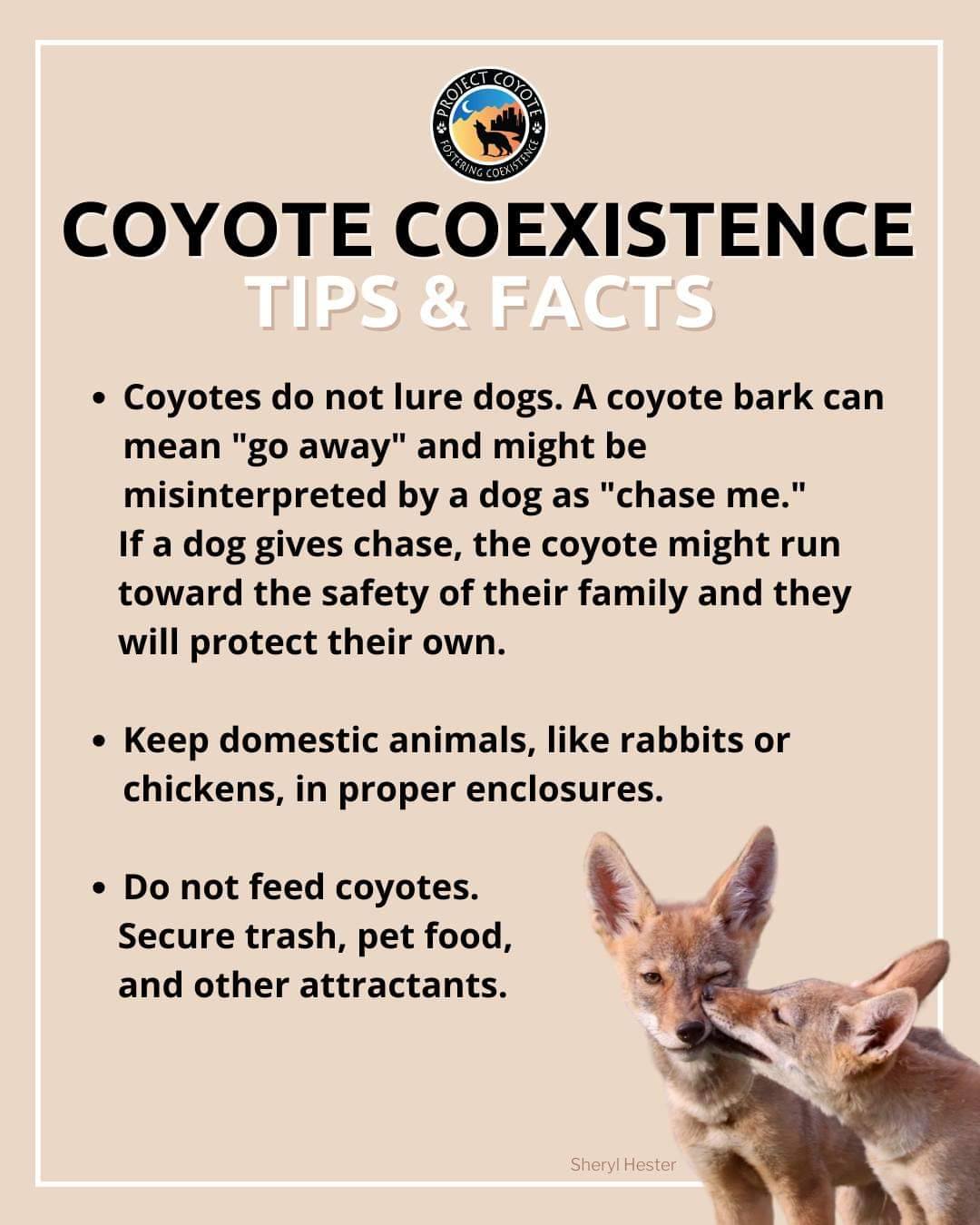
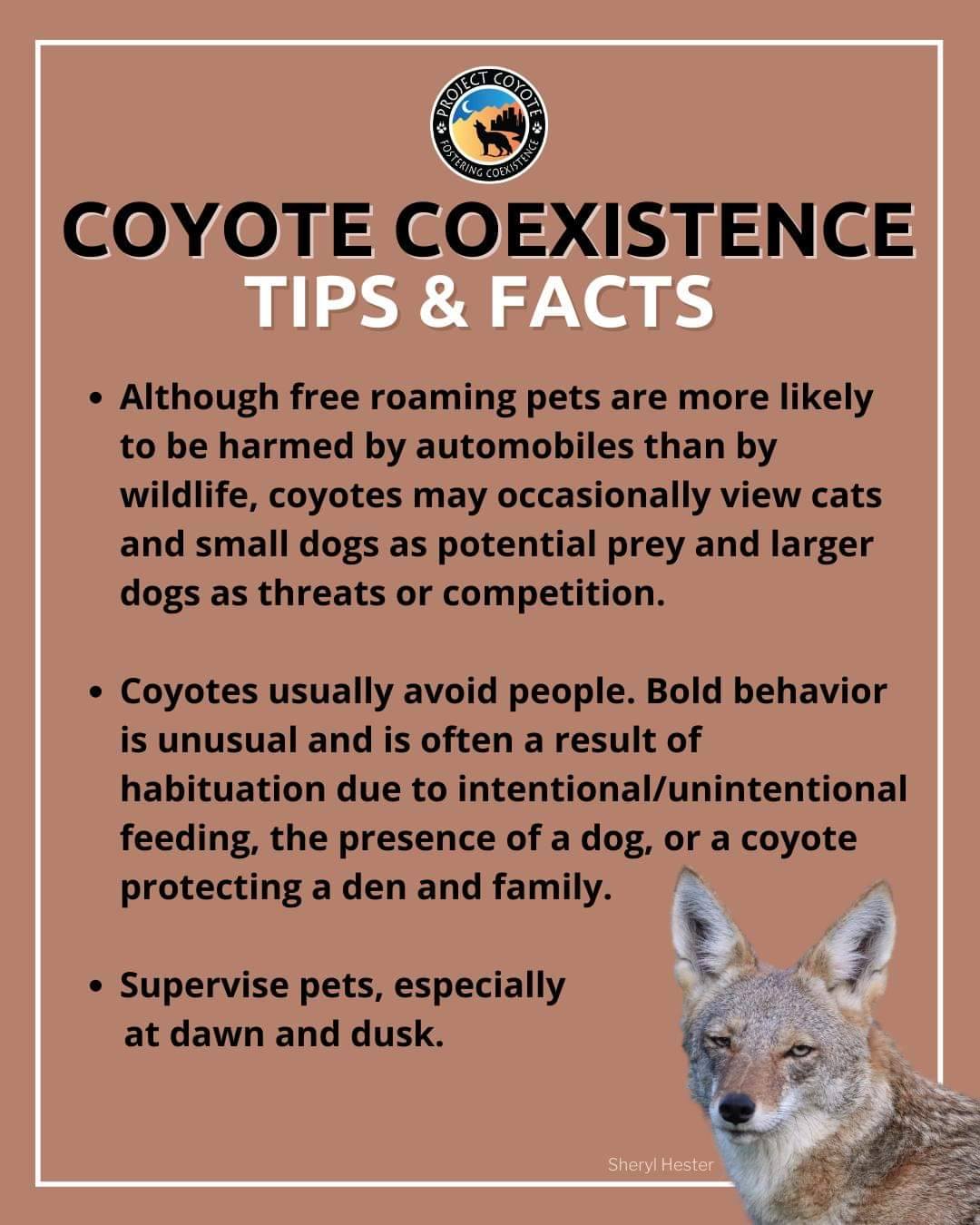
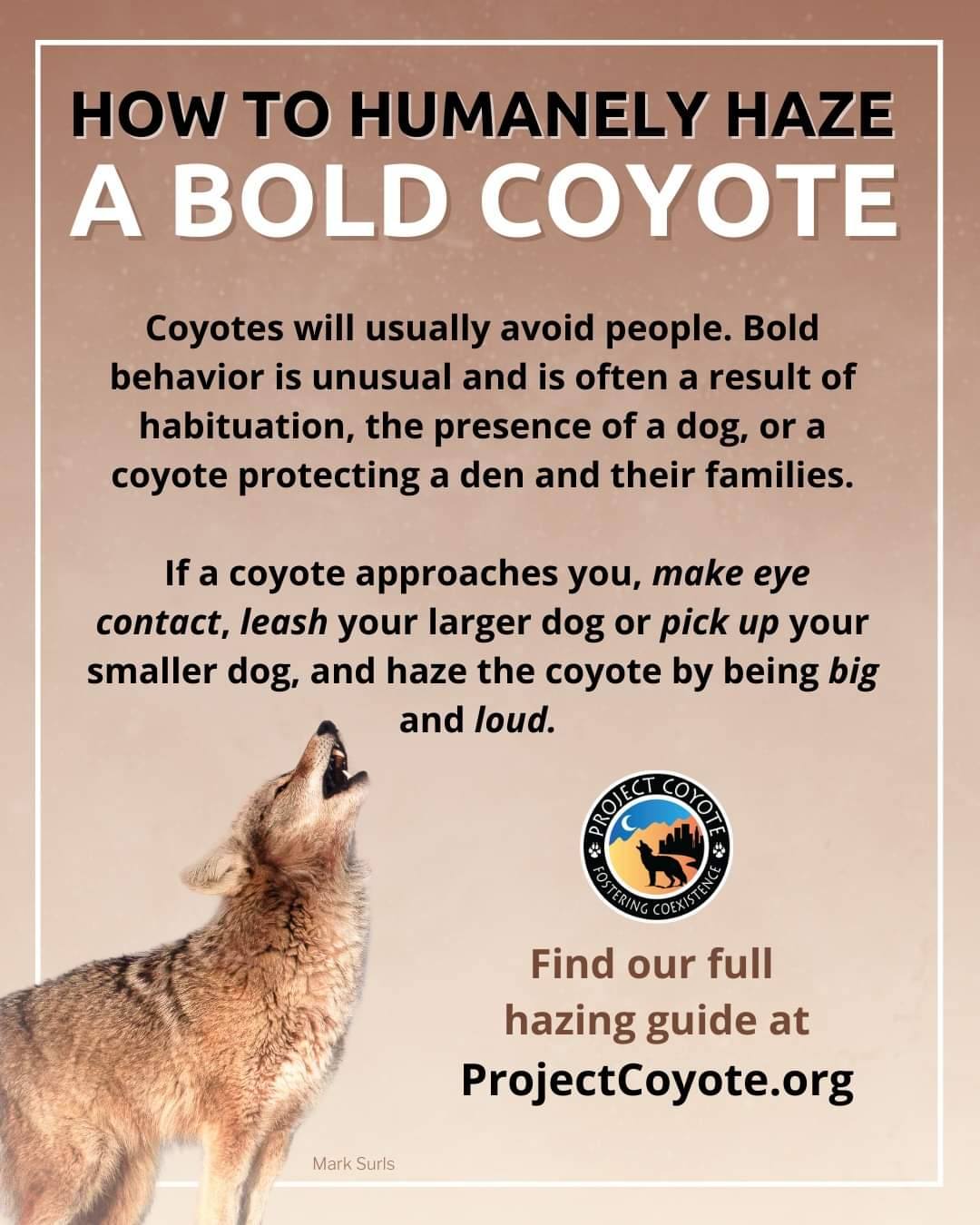
Living alongside coyotes is not only possible—it’s usually simple with the right precautions. These strategies protect livestock, pets, and property far more effectively than lethal control.
Coyotes aren’t the enemy; they’re part of the natural system that keeps everything running smoothly. Trying to eliminate them just fuels bigger litters, more movement, and more conflicts.
Coexistence isn’t just possible—it’s proven, practical, and far more effective. Help predators do what they’re designed to do, protect your animals with smart strategies, and watch the ecosystem stay healthier, calmer, and far more balanced.
For more information on coyotes and how to coexist, please visit Project Coyote:
https://projectcoyote.org/